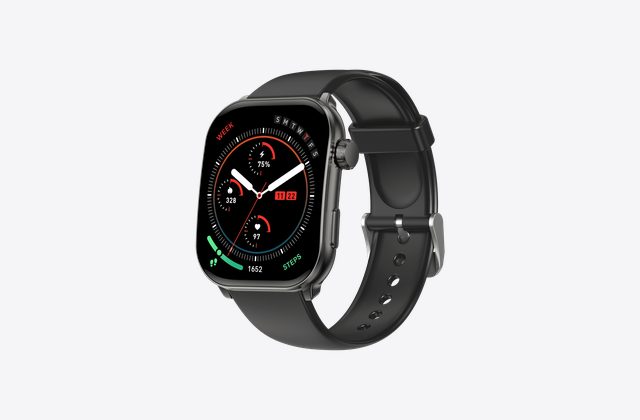
Best budget friendly smartwatches in 2026: Cheap but capable options
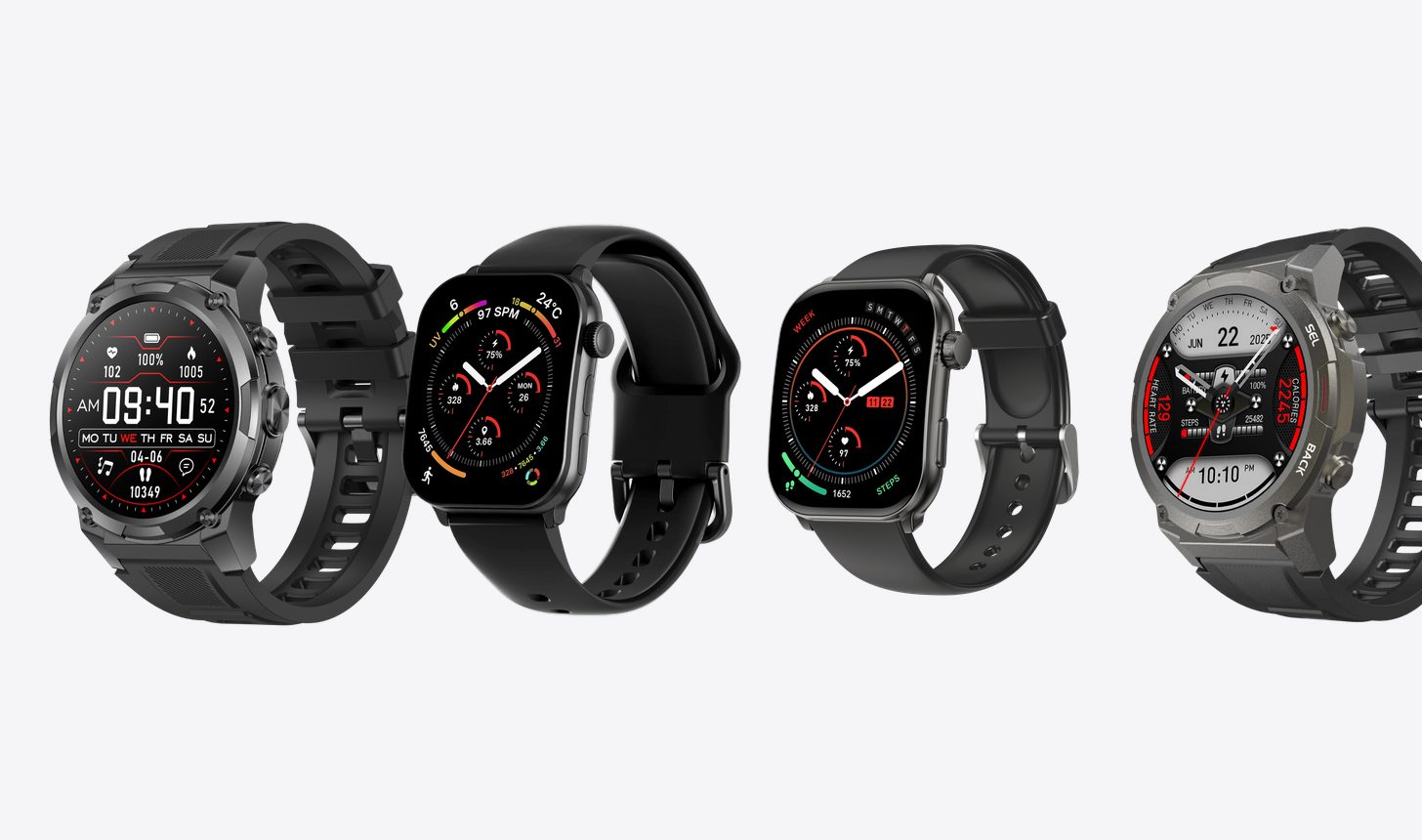
Top budget friendly smartwatches that won't break the bank
If you're looking for a budget friendly smartwatch in 2026, there's never been more choice. And unlike in the past, budget-friendly smartwatches are now very usable options.
Our picks span the value-focused Gard Pro Ultra and Health lines, budget favorites from Amazfit and CMF, and more fully fledged smartwatch options from Apple and Samsung, giving buyers far more choice across iPhone and Android.
While premium watches still lead for advanced health insights, polished app ecosystems and top-tier materials, these cheaper smartwatches cover the essentials well: activity and sleep tracking, GPS for outdoor exercise, notification support and, in many cases, multi-day battery life. The key is choosing the one that best fits your phone, workout routine, and the features you will actually use.
To shortlist the best options, we compared specifications, street prices, warranty terms and thousands of owner reviews across ten current models. Below are the top smartwatches that won't break the bank.
At a glance: Best budget friendly smartwatches
- 1Gard Pro Ultra 3: Best budget friendly smartwatch overall
- 2Gard Pro Health 4: Best budget smartwatch for health tracking
- 3Apple Watch SE 3: Best budget smartwatch for iPhone users
- 4Gard Pro Ultra 2+: Best rugged smartwatch under $100
- 5Amazfit Bip 6: Best budget smartwatch for offline maps
Short on time? Jump straight to our #1 pick, the Gard Pro Ultra 3
Need GPS on the wrist? Compare the Gard Pro Ultra 3 and Gard Pro Health 4
Keeping it under $100? See the Gard Pro Ultra 2+ and Gard Pro Health Smartwatch 3
Gard Pro Ultra 3: Best budget friendly smartwatch overall
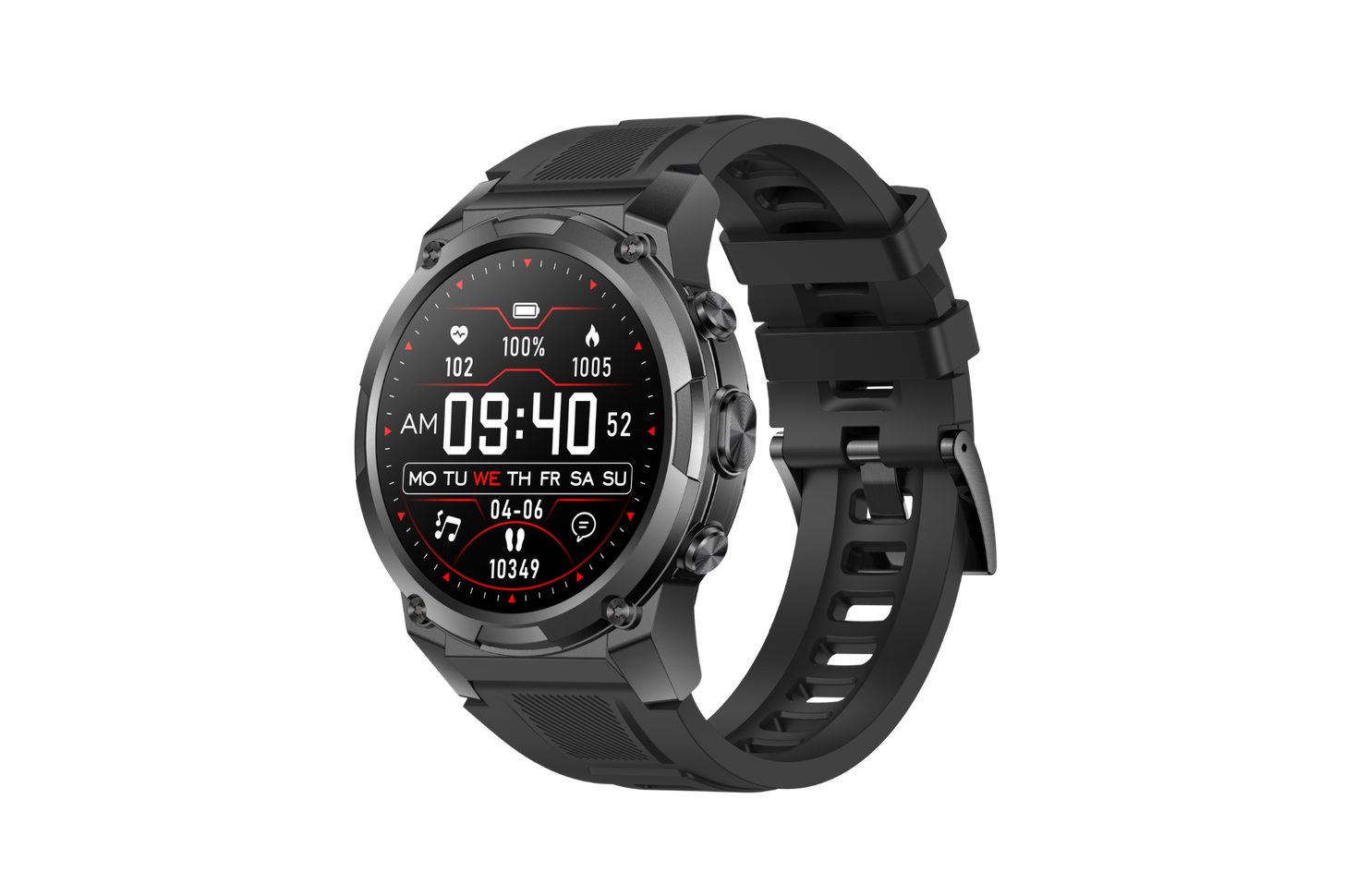
- Battery life: Up to 7 days (typical use) / Up to 90 days in power-saving mode
- Compatibility: Android and iOS
- Display: 1.43-inch AMOLED touchscreen (up to 1,000 nits, 466 x 466 resolution)
- Tracking metrics: Heart rate, blood oxygen (SpO₂), sleep, stress, dual-band GPS (L1+L5), barometric altimeter, and 110+ sports modes
At $119.99, the Gard Pro Ultra 3 takes the top spot in this roundup. It pairs dual-band (L1+L5) GPS, a feature still rare under $150, with a durability package tested to MIL-STD-810H methods across 29 laboratory tests, 5 ATM water resistance and a broad health-sensor suite. Nothing else on this list combines a rugged build, on-wrist GPS and multi-day battery at this price.
Battery life is the standout, and it is the one claim owners consistently confirm. Gard Pro rates it at up to 7 days of typical use, up to 5 days with intensive GPS and up to 90 days in power-saving mode, with a fast charge reaching roughly 80% in an hour. That is a different world from the daily charging an Apple Watch or Galaxy Watch asks of you.
Two things to know before buying. Gard Pro is a smaller direct-to-consumer brand, so it has not built up the independent review history of an Amazfit or Garmin; the 4.8/5 average across more than 4,300 reviews for this model is collected on gardpro.com, so weigh it accordingly. And wrist-based wellness readings, such as blood pressure trends, are estimates for general awareness rather than medical-grade measurements. Both caveats are softened by a safety net most rivals here do not match: a 30-day money-back guarantee and a 2-year warranty.
Pros
- Dual-band GPS and a rugged, MIL-STD-tested build at this price
- Up to 7-day rated battery, the claim owners back up most
- Works with iPhone and Android, with no subscription or account lock-in
- 30-day money-back guarantee plus a 2-year warranty
Cons
- A newer brand without Amazfit's or Garmin's independent review track record
- Wellness readings are estimates, not medical-grade measurements
- Companion app covers the basics but trails Zepp and Garmin Connect
Gard Pro Health 4: Best budget smartwatch for health tracking
- Battery life: Up to 12 days (typical use) / Up to 30 days in power-saving mode
- Compatibility: Android and iOS
- Display: 1.85-inch curved AMOLED full-touch screen (466 x 466 resolution)
- Tracking metrics: Heart rate, SpO₂, sleep and sleep apnea screening, stress, temperature trends, and dual-frequency GPS (L1+L5) via 16 biometric and environmental sensors
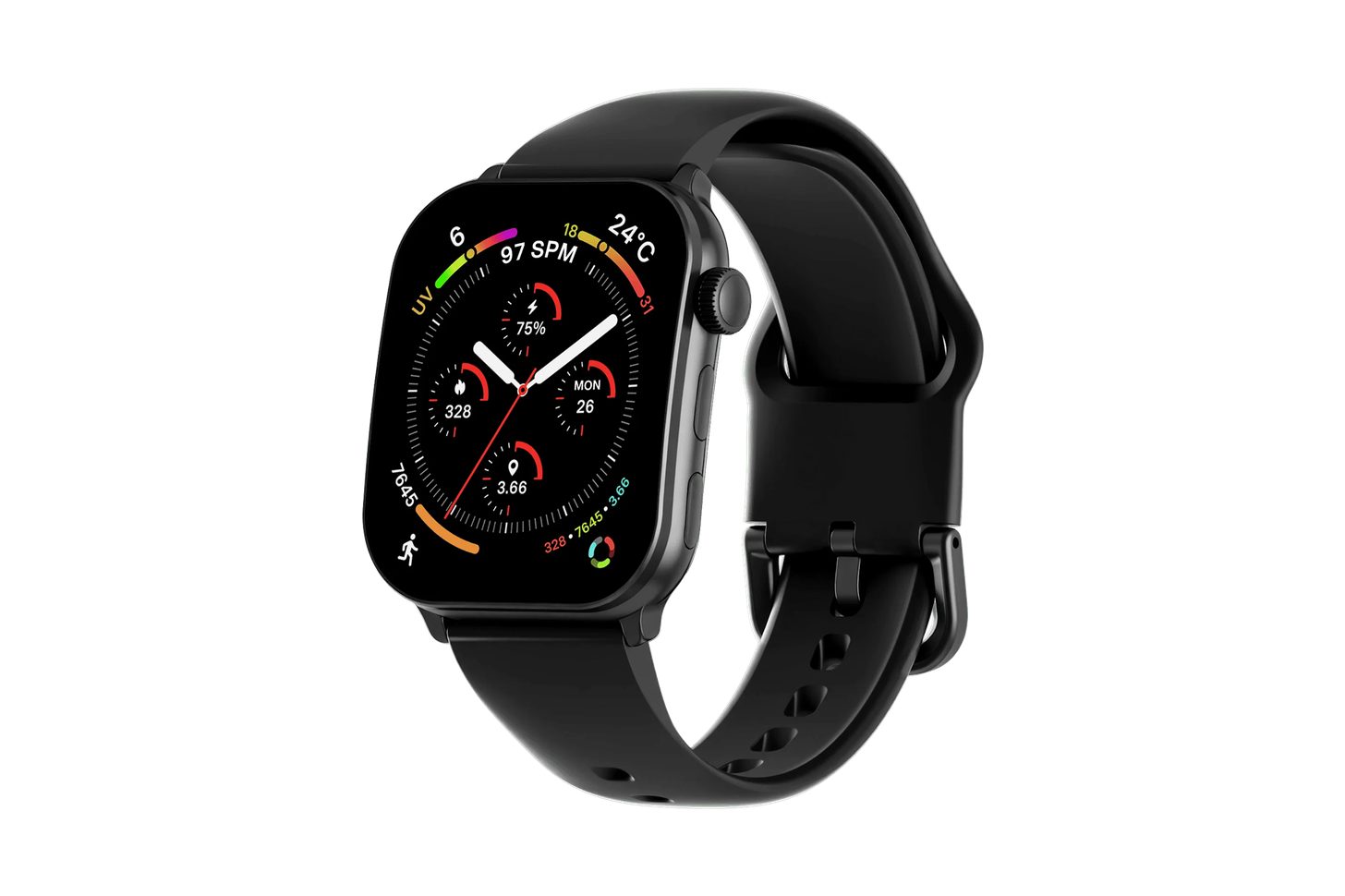
The Health 4 is the health-first pick of the Gard Pro range. Its signature feature is a dedicated health button: double-press it and the watch runs a spot check of your key vitals, a genuinely useful habit-former for anyone who wants a daily snapshot without digging through menus. Sleep tracking adds sleep apnea screening, and the sensor array runs 16 biometric and environmental sensors in total.
It is also the strongest everyday package of the four Gard Pro watches. The 1.85-inch curved AMOLED is the nicest display the brand makes, dual-frequency GPS handles route tracking without your phone, a weather-sealed speaker and microphone take calls from the wrist, and the rated battery stretches to 12 days of typical use, roughly ten times what a Galaxy Watch FE manages.
The same house caveats apply: health readings are indicative wellness estimates rather than diagnostics, and the 4.8/5 review average is hosted on the brand's own store. You are covered by the 30-day money-back guarantee and 2-year warranty either way.
Pros
- One-button health check makes daily vitals a habit
- Up to 12-day rated battery with dual-frequency GPS on board
- Large curved AMOLED display with call speaker and mic
- No subscription: every metric is included in the price
Cons
- Health readings are for awareness, not diagnosis
- Review volume lives on the brand's own store, not third-party sites
- No third-party app store or contactless payments
Apple Watch SE 3: Best budget smartwatch for iPhone users
- Battery life: Up to 18 hours (typical use) with fast-charging support
- Compatibility: iOS only (requires iPhone)
- Display: Always-On LTPO Retina display (1.78-inch, up to 1,000 nits peak brightness)
- Tracking metrics: Heart rate, wrist temperature sensing, sleep apnea notifications, compass, always-on altimeter, and built-in GPS
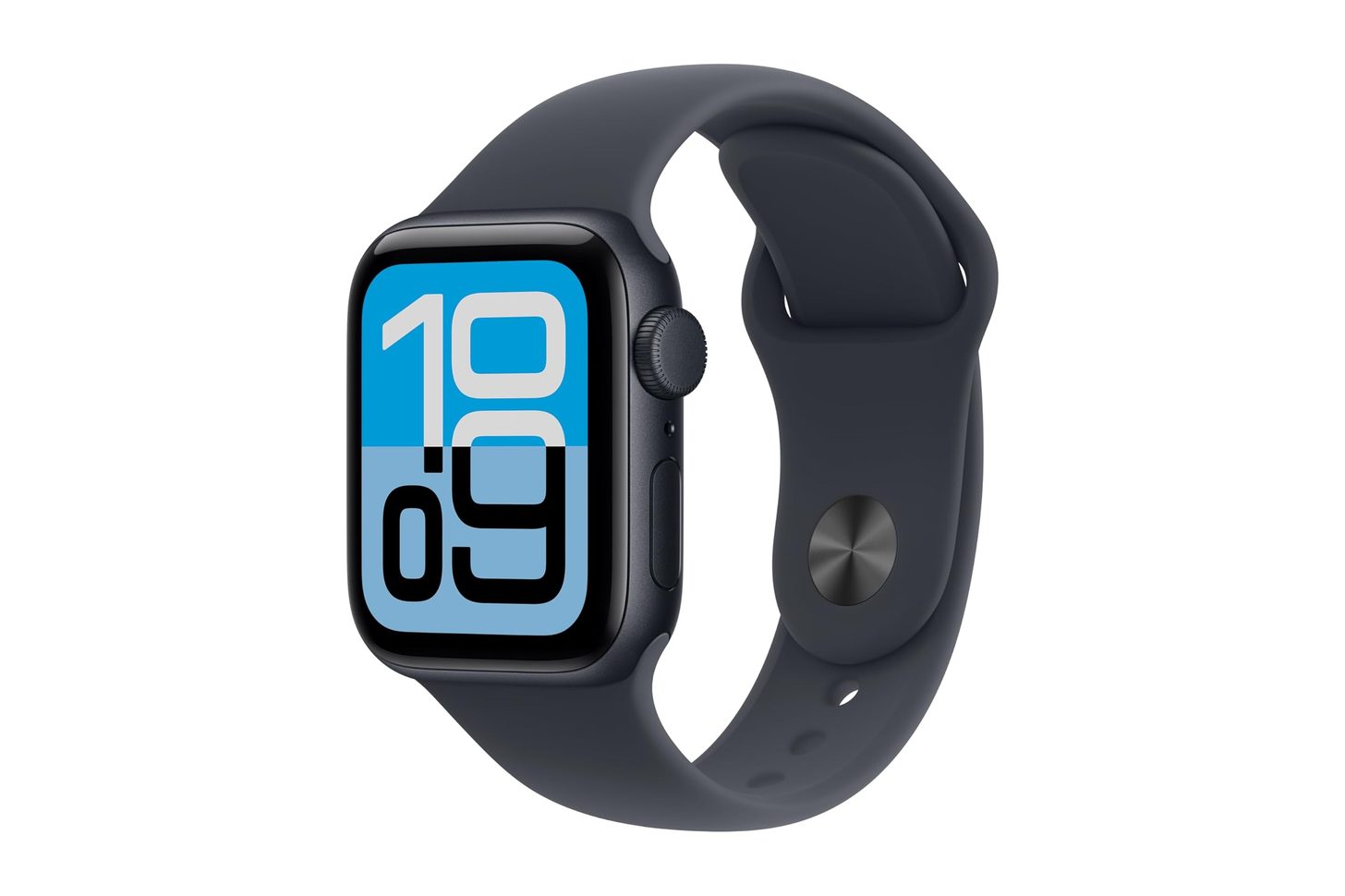
At $249, the Apple Watch SE 3 is the most expensive watch here, but for iPhone owners it delivers the core Apple Watch experience: excellent phone integration, a mature app ecosystem, fitness tracking and useful safety tools, without the cost of the flagship models.
This generation closes several gaps with the pricier Apple Watches. The Always-On Retina display is easier to check mid-run or mid-commute, the S10 chip enables on-device Siri and gesture controls, and sleep score, wrist-temperature sensing and sleep apnea notifications reach Apple's accessible tier for the first time.
Battery life is the key trade-off. Apple rates it for up to 18 hours of typical use, so most people will charge it every day, and it simply does not work with Android phones. If either of those is a dealbreaker, the multi-day watches above cost half as much.
Pros
- The best smartwatch experience for iPhone users
- Always-On display and fast charging improve everyday convenience
- Strong fitness, sleep and safety feature set
- Broad selection of Apple Watch apps and watch faces
Cons
- Not compatible with Android phones
- Daily charging is still the norm
- Costs more than double the sub-$100 picks on this list
Gard Pro Ultra 2+: Best rugged smartwatch under $100
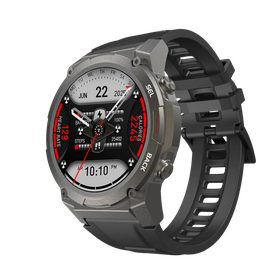
- Battery life: Up to 35 days standby / Up to 12 days intensive use
- Compatibility: Android and iOS
- Display: 1.43-inch Ultra HD AMOLED (1,000 nits) with Corning Gorilla Glass
- Tracking metrics: 24/7 heart rate, SpO₂, sleep, respiratory rate, menstrual cycle tracking, and 110+ sports modes
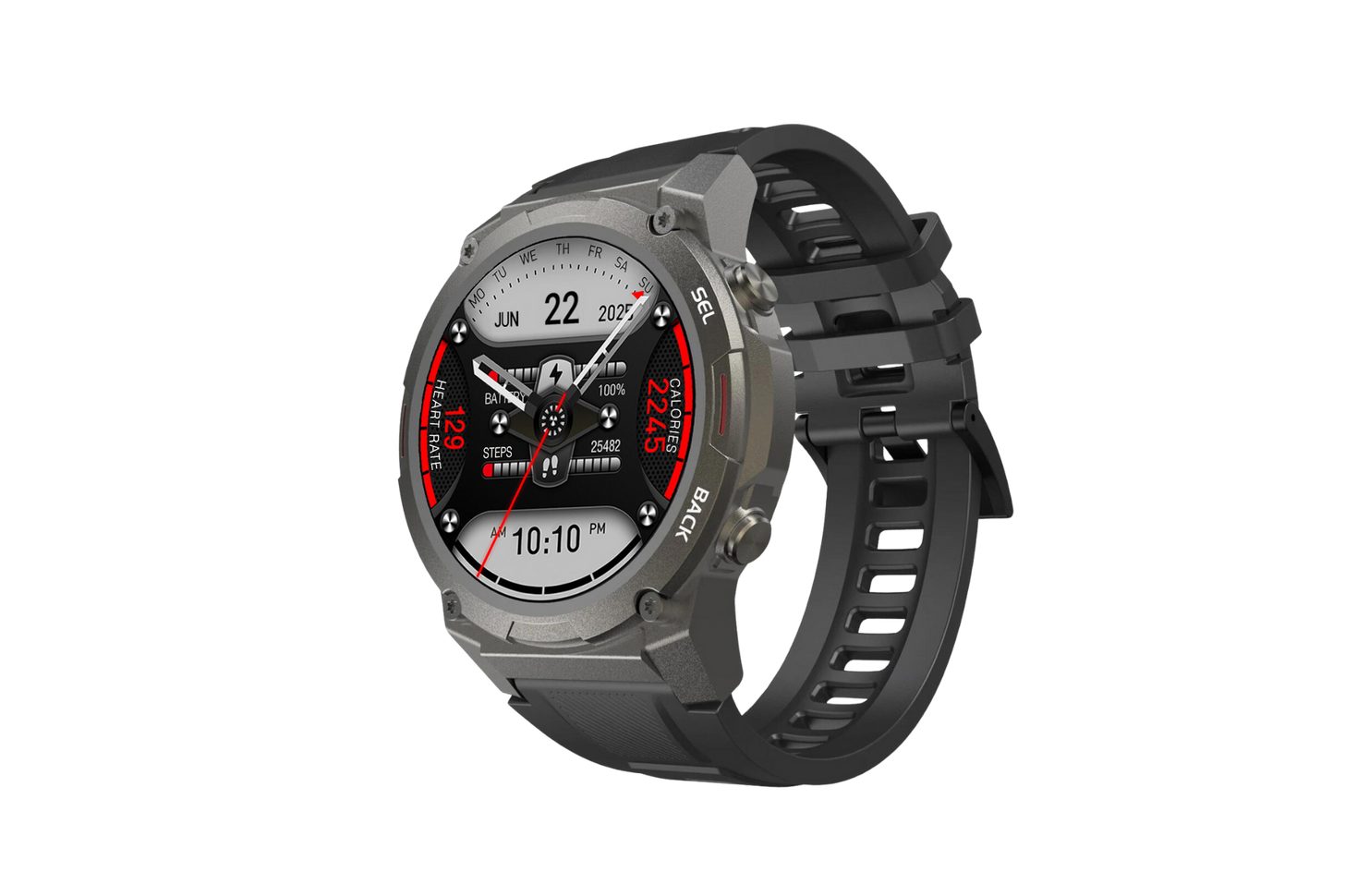
The Ultra 2+ is the toughest watch you can get for under $100 in this roundup. The steel-cased, Gorilla Glass-protected build has passed 12 military-method durability tests to MIL-STD-810G, is rated IP69K against dust and water jets, and shrugs off temperatures from -40 to +131 degrees Fahrenheit. For job sites, hikes and clumsy wrists, that is the point.
Battery is the other headline: up to 35 days of standby and up to 12 days of intensive use, the longest rated endurance of the Gard Pro range. The 1,000-nit AMOLED stays readable in direct sun, and the essentials, notifications, calls, 110+ sports modes and around-the-clock heart rate, are all here.
What you give up versus the Ultra 3 is on-watch GPS: the Ultra 2+ maps routes using your phone's GPS, so runners who leave the phone at home should spend the extra $20. Its 3 ATM rating handles rain and handwashing but not swimming, and as with every watch here below $150, the health readings are wellness estimates, not medical instruments.
Pros
- Steel case and Gorilla Glass tested to military durability methods
- Up to 35-day standby battery, the longest of the Gard Pro range
- $99.99 with a 30-day money-back guarantee and 2-year warranty
- Bright 1,000-nit AMOLED readable in direct sunlight
Cons
- No on-watch GPS: route tracking borrows your phone's signal
- Rain-proof rather than swim-proof at 3 ATM
- Health readings are estimates, not medical-grade
Amazfit Bip 6: Best budget smartwatch for offline maps
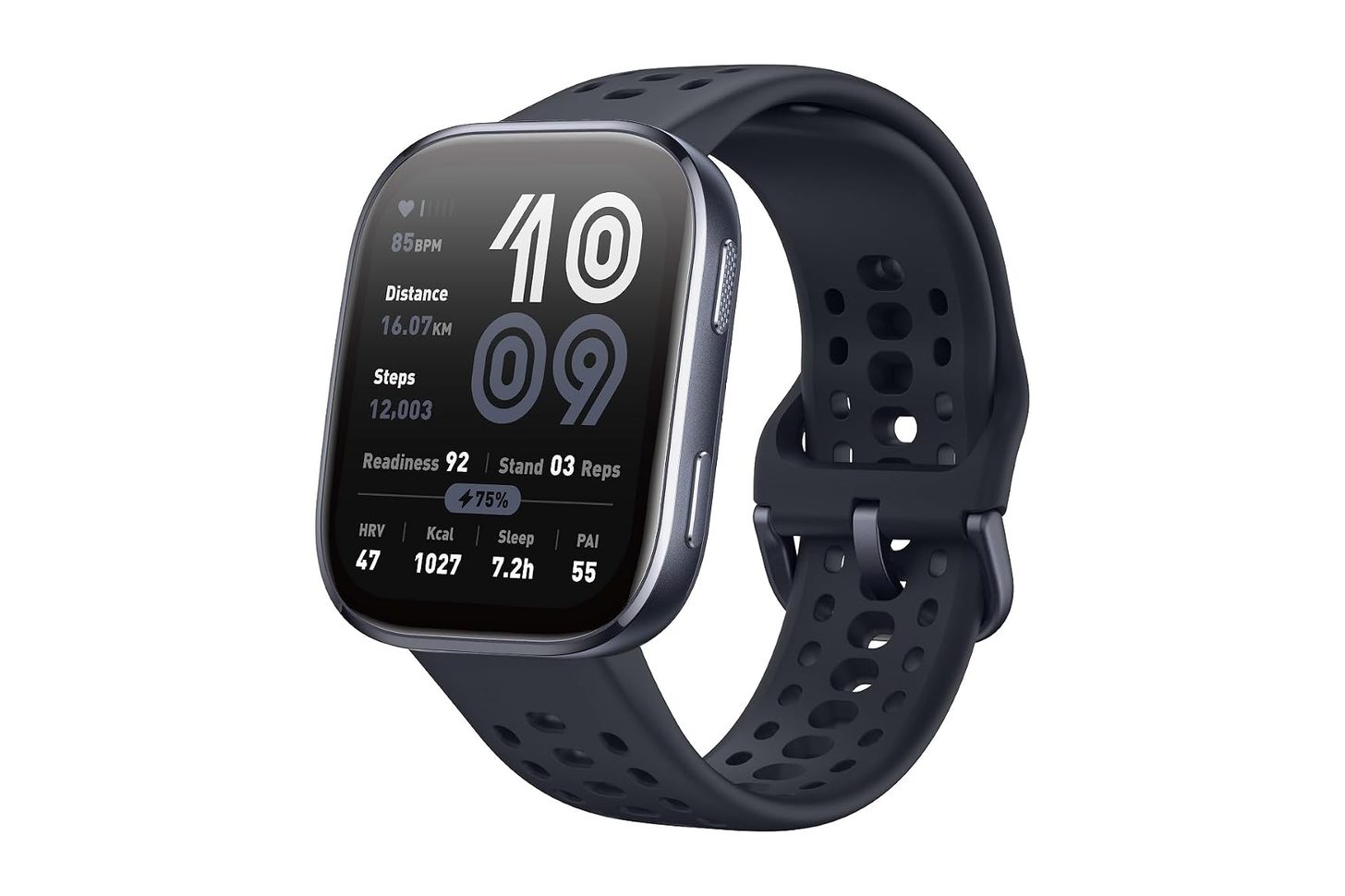
- Battery life: Up to 14 days (typical use) / Up to 6 days under heavy usage
- Compatibility: Android and iOS
- Display: Large 1.97-inch AMOLED display (up to 2,000 nits peak brightness)
- Tracking metrics: Heart rate, SpO₂, stress, sleep, offline maps, built-in GPS, and 140+ sports modes
At around $79, the Amazfit Bip 6 is the strongest pure-value competitor to the Gard Pro watches, and its headline feature is offline maps, something virtually unheard of at this price. The vibrant AMOLED display instantly makes it feel like a much more expensive device.
Reviewers consistently praise the 14-day rated battery and the mature Zepp app, and the aluminium alloy frame gives it a more premium feel than its all-plastic predecessor. Serious athletes can even pair an external heart rate sensor for better accuracy.
The compromises: GPS is present but not the most accurate, wrist heart rate still lags on intervals, and the chunky plastic-heavy design will not suit every wrist. If offline navigation matters more to you than build quality or warranty terms, this is the one to cross-shop.
Pros
- Offline maps and built-in GPS at a bargain price
- Up to 14-day rated battery
- Strong Zepp app with external sensor pairing
Cons
- GPS and heart rate accuracy trail pricier watches
- Chunky, plastic-heavy design
- Zepp Flow AI assistant is still inconsistent
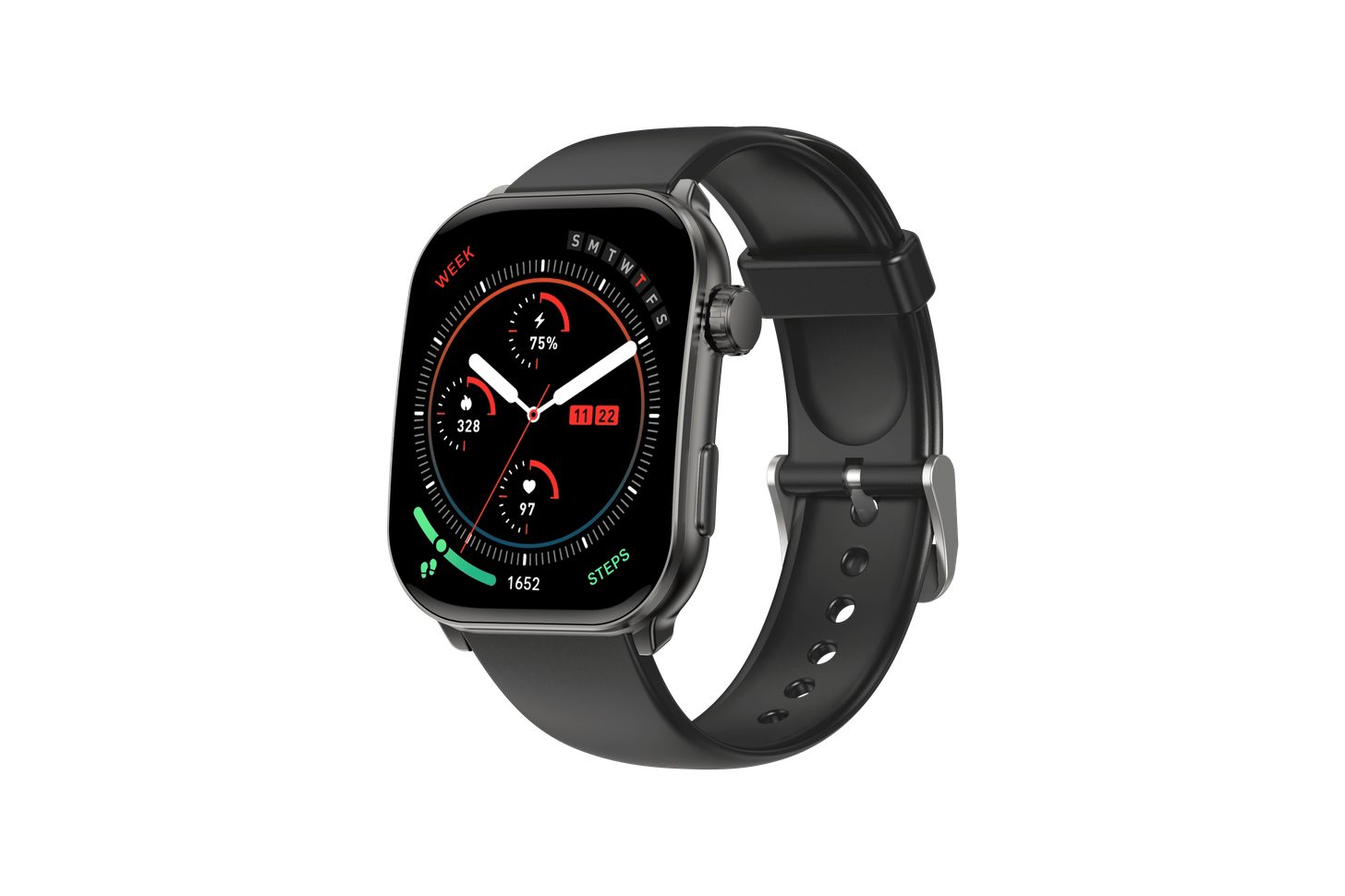
Gard Pro Health Smartwatch 3: Best big-screen health watch under $100
- Battery life: Up to 15 days on standby
- Compatibility: Android and iOS
- Display: 2.06-inch curved Ultra HD AMOLED (1,000 nits) in 41mm and 48mm sizes
- Tracking metrics: Heart rate, SpO₂, sleep, mood and stress, respiratory rate, and 110+ sports modes
The Health Smartwatch 3 is the Gard Pro for readability. Its 2.06-inch curved AMOLED is the largest screen in this entire roundup, bigger than anything Amazfit or Samsung offer at the price, and at 1,000 nits it stays legible in sunlight. More than 1,900 reviews on gardpro.com average 4.8/5, with the battery drawing the most consistent praise.
Day to day it covers the health essentials: continuous heart rate, blood oxygen, sleep, mood and stress tracking, plus 110+ sports modes, all feeding one simple dashboard in the Gard Pro Fit app with no subscription attached. The rated battery reaches 15 days on standby, and the curved glass gives it a dressier look than the rugged Ultra line.
Know the limits: there is no GPS radio on the watch, so outdoor routes are tracked from your phone, and the 3 ATM rating means rain and handwashing, not swimming. As across the range, wellness readings are estimates for awareness, and the 30-day money-back guarantee plus 2-year warranty apply.
Pros
- Largest display in this roundup at 2.06 inches
- Up to 15-day rated standby battery
- $99.99 with the same 30-day trial and 2-year warranty as the flagship
- Simple one-app health dashboard, no subscription
Cons
- No on-watch GPS radio
- Not suitable for swimming at 3 ATM
- Wellness readings are indicative, not diagnostic
CMF Watch 3 Pro: Best stylish budget smartwatch
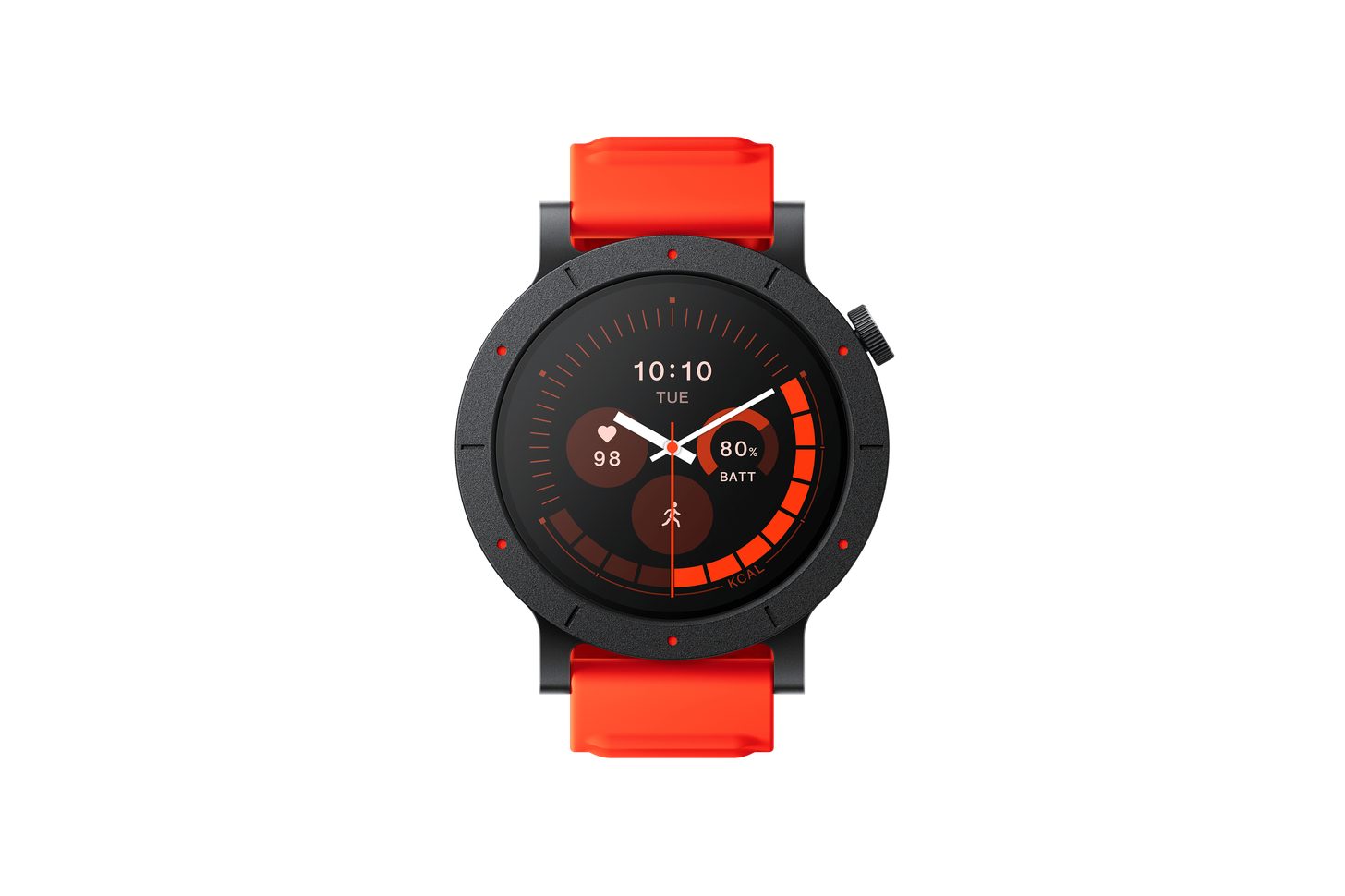
- Battery life: Up to 13 days (4 to 5 days with always-on display)
- Compatibility: Android and iOS (via Nothing X app)
- Display: 1.43-inch AMOLED touchscreen (650 nits, Always-On Display)
- Tracking metrics: 24/7 heart rate, SpO₂, sleep, step and calorie count, dual-frequency GNSS/GPS, and 131 sports modes
The CMF Watch 3 Pro, from around $99 and often seen for less, sets a new bar for budget aesthetics. The standout orange variant and meticulously designed monochrome UI make it easily the best-looking watch in this price bracket.
The software is basic but snappy, and the dual-frequency GNSS is a highlight, with reviewers reporting tracking on par with watches several times the price. Heart rate accuracy is good enough for casual workouts, though it can lag on gym sets and interval sessions.
The bigger compromise is durability: it carries an IP69 rating but is not recommended for swimming, and smart features are limited. For style-first buyers who mostly walk, run and track sleep, it is a strong bargain.
Pros
- Unique design with a clean, snappy UI
- Dual-frequency GNSS that punches above its price
- Up to 13-day rated battery
Cons
- Limited smart features
- Not recommended for swimming
- Heart rate can lag during intense intervals
Samsung Galaxy Watch FE: Best budget smartwatch for Android apps
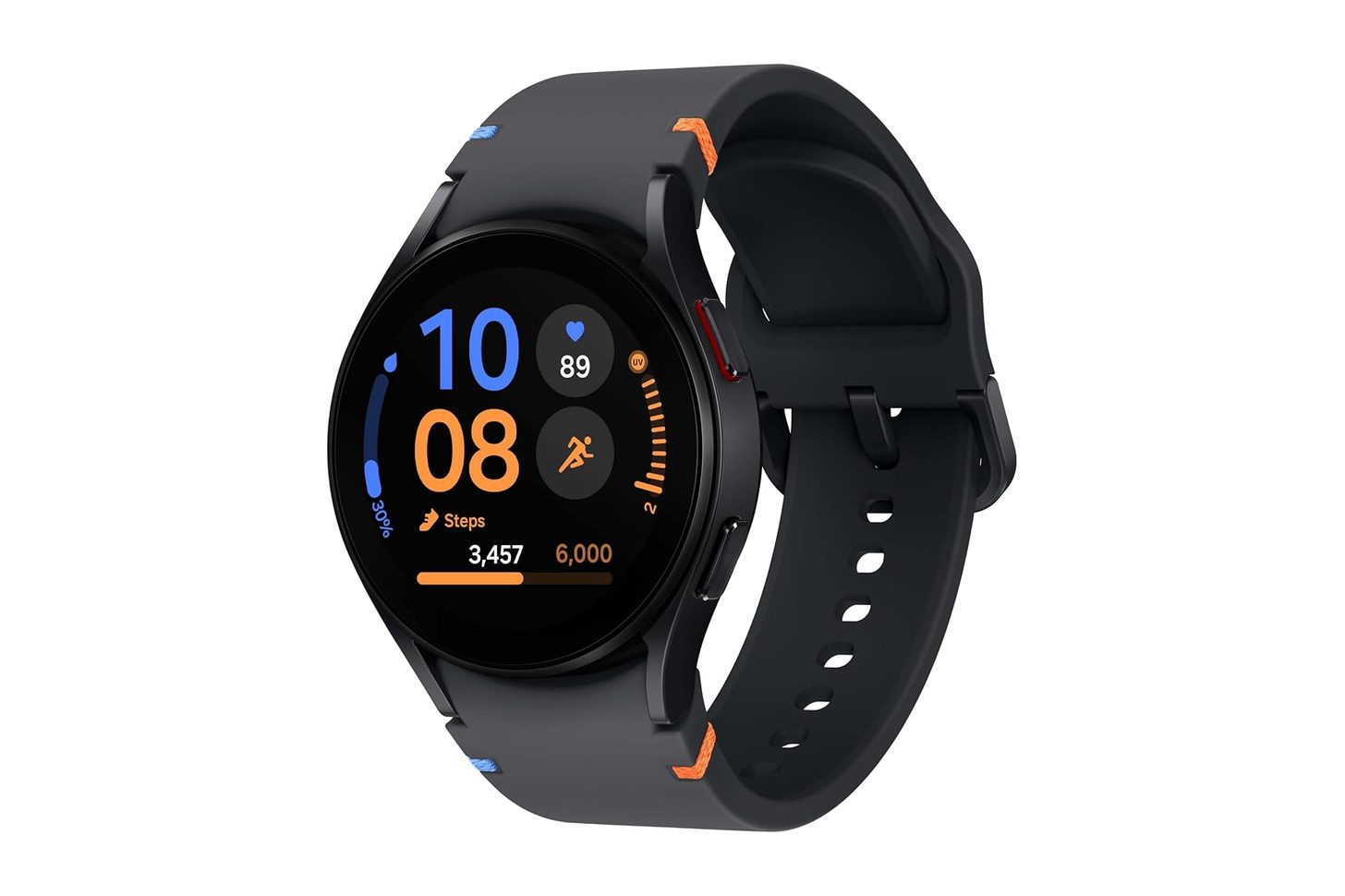
- Battery life: Up to 40 hours of claimed battery life
- Compatibility: Android phones on Android 11 or later (best with Samsung Galaxy)
- Display: 1.2-inch Always-On Super AMOLED with sapphire crystal glass
- Tracking metrics: Optical heart rate, ECG, body-composition sensors, sleep tracking, and built-in GPS
Listed at $199.99 and often discounted, the Galaxy Watch FE brings the full Galaxy Watch experience, Google apps, contactless payments and downloadable watch apps included, to a smaller 40mm design. It is the cheapest way into a true Wear OS smartwatch.
Health features are unusually broad: Samsung's BioActive sensor enables heart rate, ECG readings and body-composition estimates, though some features are region-dependent and work best with a Samsung phone. The sapphire crystal cover also offers more scratch resistance than is typical at this level.
The trade-off is battery life: Samsung quotes up to 40 hours, and frequent GPS use or the always-on display cuts that further. Plan for daily charging rather than the multi-day endurance of the Gard Pro, Amazfit and CMF picks above.
Pros
- Accessible, full-featured Wear OS experience
- Useful health tools like ECG and body-composition estimates
- Bright AMOLED display with sapphire crystal protection
Cons
- Android-only, with some functions best on Samsung phones
- Roughly a day of battery, the shortest here after the Apple Watch
- One small case size may not suit every wrist
Garmin Forerunner 165: Best budget smartwatch for beginner runners
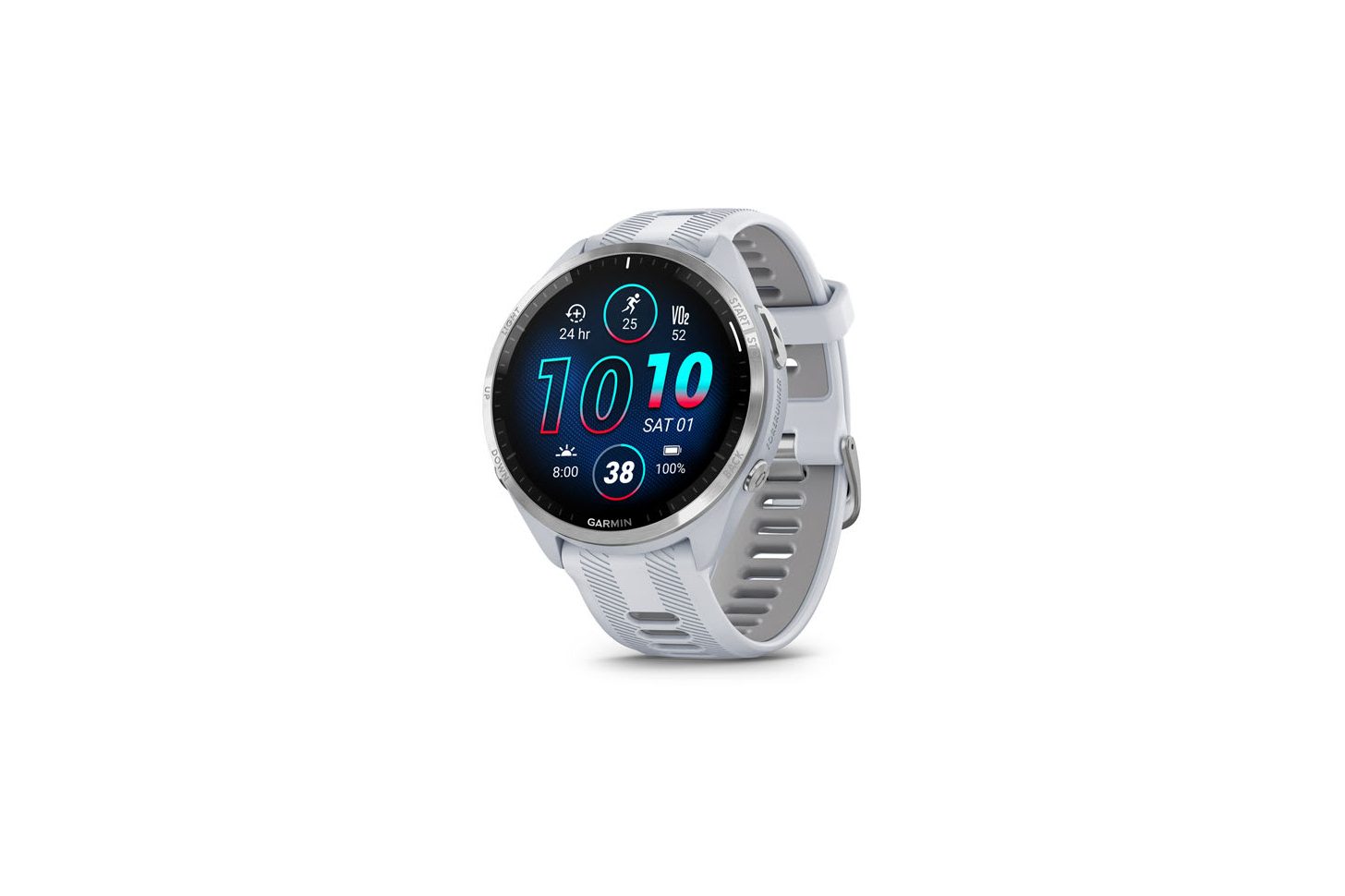
- Battery life: Up to 11 days in smartwatch mode / Up to 19 hours of continuous GPS
- Compatibility: Android and iPhone
- Display: Bright 1.2-inch AMOLED touchscreen with physical buttons
- Tracking metrics: Built-in GPS, wrist heart rate, running dynamics, HRV status, sleep tracking, and Garmin Coach training plans
The Forerunner 165, at around $199 and regularly discounted, brings the useful parts of Garmin's training ecosystem to a light 43mm watch. Garmin Coach offers adaptive plans for 5K through half-marathon, and daily suggested workouts give newer runners practical prompts rather than a wall of data.
It is a strong everyday fitness watch too, with more than 25 activity profiles, 5 ATM water resistance for pool swims, and a Morning Report that combines sleep, HRV and a training outlook. GPS and heart rate tracking are reliable, which is exactly what you are paying Garmin for.
It remains more of a running watch than a full smartwatch: there is no app store to speak of, offline music needs the pricier Music edition, and at twice the price of a Gard Pro Ultra 2+ it is an investment in training features you may not use.
Pros
- Excellent starting point for structured running
- Reliable GPS and heart rate tracking
- Battery life outlasts most app-focused smartwatches
Cons
- More running-focused than a full smartwatch
- Offline music requires the separate Music edition
- Costs twice as much as the sub-$100 picks here
Redmi Watch 5: Best ultra-cheap battery pick
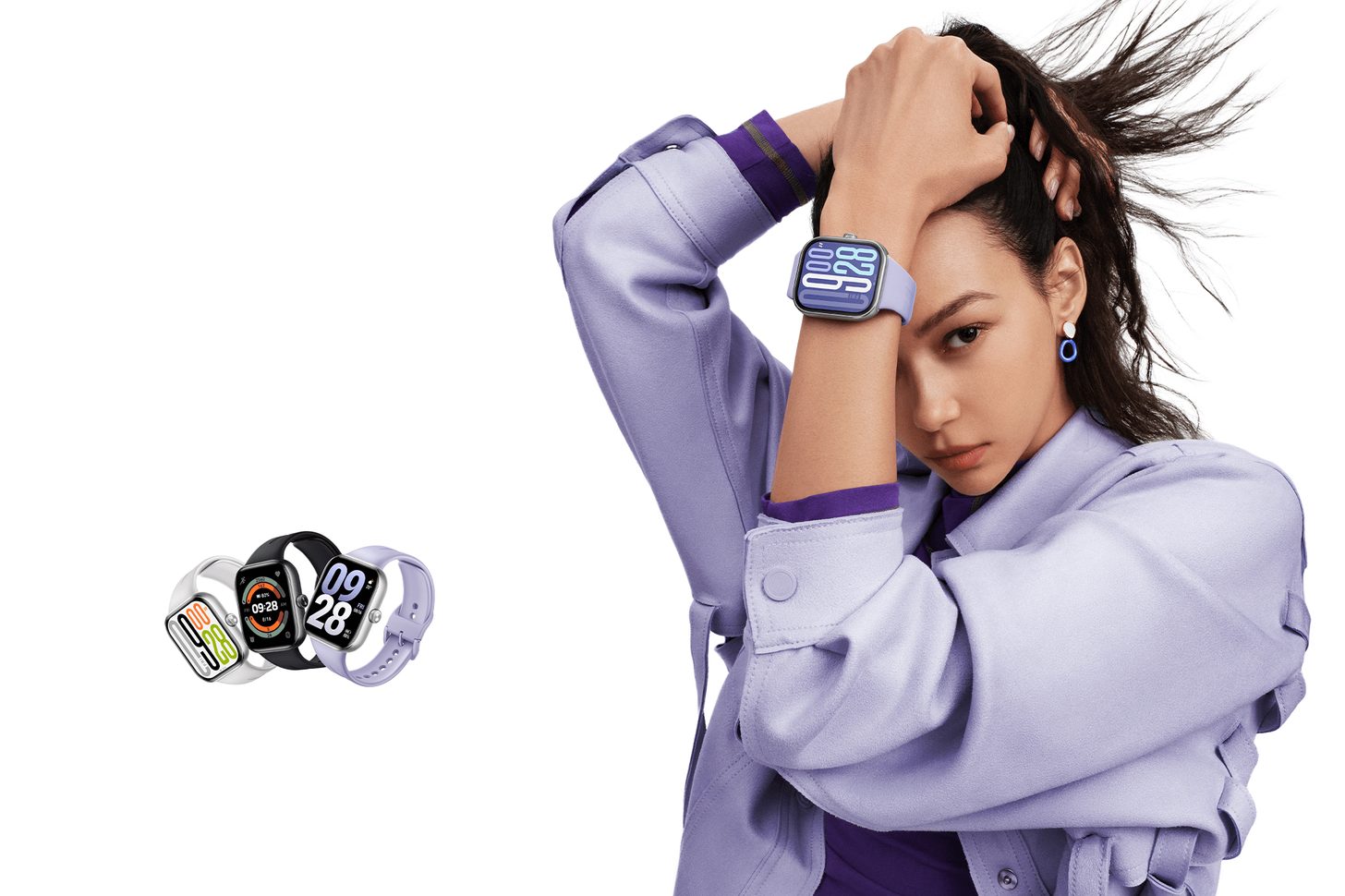
- Battery life: Up to 24 days
- Compatibility: Android and iOS (via Mi Fitness)
- Display: Ultra-large 2.07-inch square AMOLED (up to 1,500 nits) with aluminum frame
- Tracking metrics: Heart rate, SpO₂, sleep monitoring, compass, and built-in multi-system GPS
Frequently seen between $54 and $89, the Redmi Watch 5 is the cheapest credible option in this roundup, and its vivid 2.07-inch AMOLED gives it a far more premium feel than the price suggests.
Battery life is excellent, rated up to 24 days and realistically lasting weeks per charge. It handles notifications and music control adequately, and sleep tracking proved solid in published reviews.
Fitness tracking is the weak point: heart rate readings during exercise are inconsistent, and the Mi Fitness app remains glitchy. Treat it as a stylish everyday watch with basic tracking rather than a training tool.
Pros
- Really likeable design for very little money
- Class-leading rated battery life of up to 24 days
- Big, bright 2.07-inch AMOLED display
Cons
- Heart rate tracking still not great
- Mi Fitness app can be a glitch-fest
- Too many half-baked features
Bottom line
You no longer need to spend flagship-watch money to get a capable smartwatch. Our best budget friendly smartwatch picks range from the four Gard Pro models, which stake out battery life, rugged builds and a no-subscription health suite between $99.99 and $119.99, to mainstream alternatives from Apple, Samsung, Amazfit, CMF, Garmin and Redmi. Each offers a different balance of fitness tracking, smart features, battery life and phone compatibility.
If you want the strongest all-round package for the money, the Gard Pro Ultra 3 is the watch we would put on most wrists, and the 30-day money-back guarantee means you can send it back if it disappoints. If you live inside Apple's or Google's ecosystem and will charge nightly, the Apple Watch SE 3 and Galaxy Watch FE are the safe mainstream picks. Whichever way you lean, identify which metrics or features are your priorities and base your decision on that.
ReviewsRelated Posts
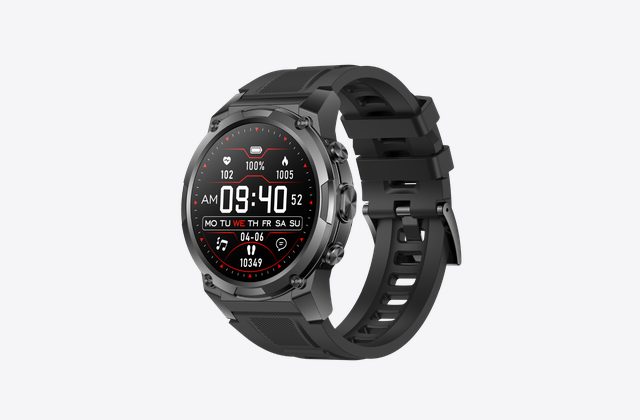
Gard Pro Ultra 3 long-term test: Six months on the wrist
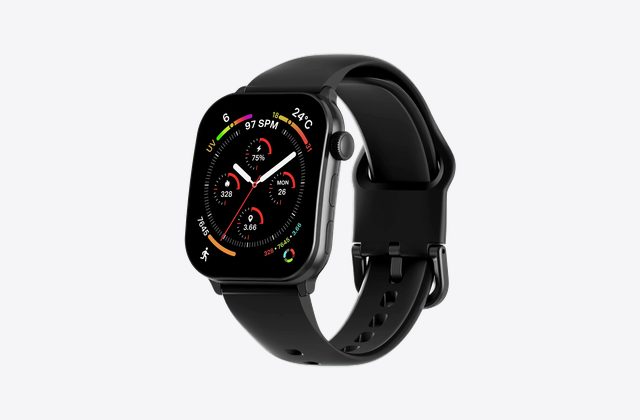
Smartwatch battery ratings explained: What "up to 12 days" really means